News media
Other ways of tellling a story
A journalistic story used to consist of text and a photograph. DPG Media’s news media now make extensive use of new storytelling formats. Two experts discuss the power of digital storytelling.

Listen to the audio clip here
“Don’t quote the fragment – let people hear it”

Khuram Chaudry
(37), graphic producer, News City
Listen to the audio clip here
Khuram Chaudry is a graphic producer at News City, the hub of the HLN and VTM NIEUWS newsrooms. “This is where all editorial decisions are made. My role has existed for some time, but last year we redefined it because we want to invest more in digital storytelling. I now have a place at the central news desk, so I know what is happening and can help think strategically about the best way to support articles visually. That is particularly useful when breaking news happens.
stabbing at the station
in Harelbeke
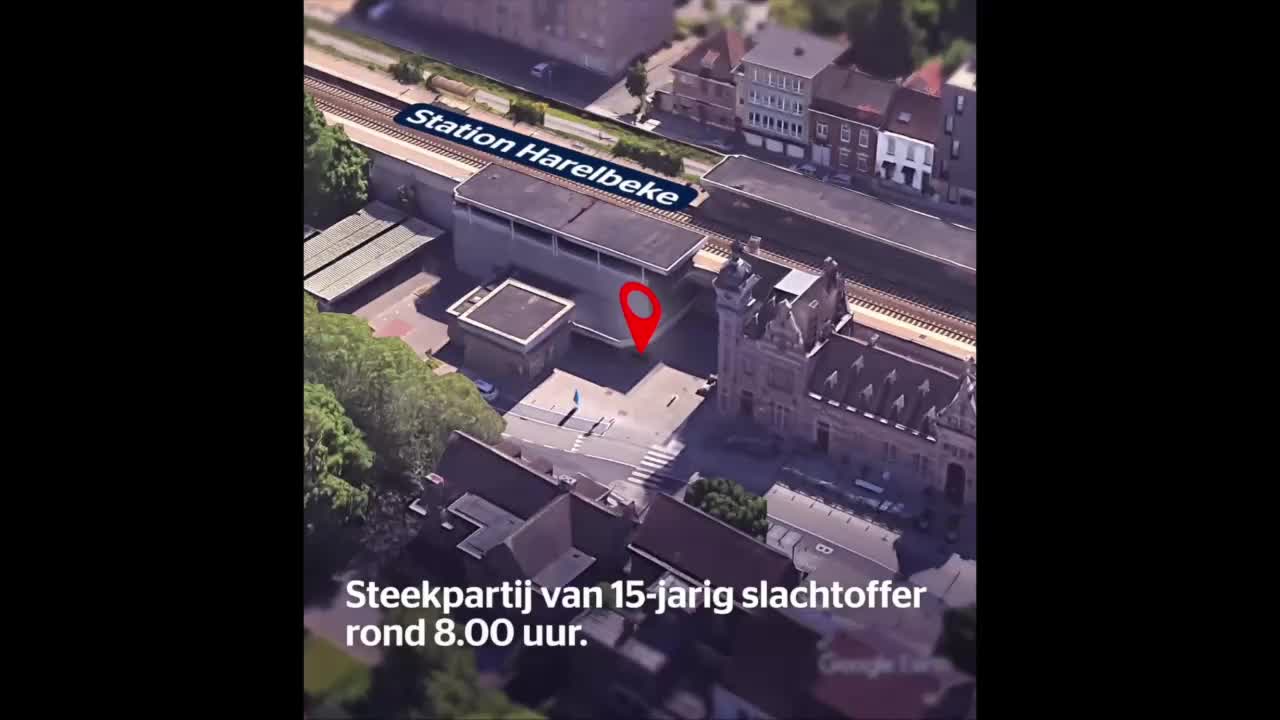
Take the case of the 15-year-old who was seriously injured in a stabbing at Harelbeke station, while the perpetrator was arrested half a kilometre away. Within fifteen minutes, our team, Graphic Valley, had created a visual reconstruction showing the escape route. We also added photographs and a VTM NIEUWS video to enrich the article.
View article

(in Dutch)
reconstruction of
The Bijlmer disaster
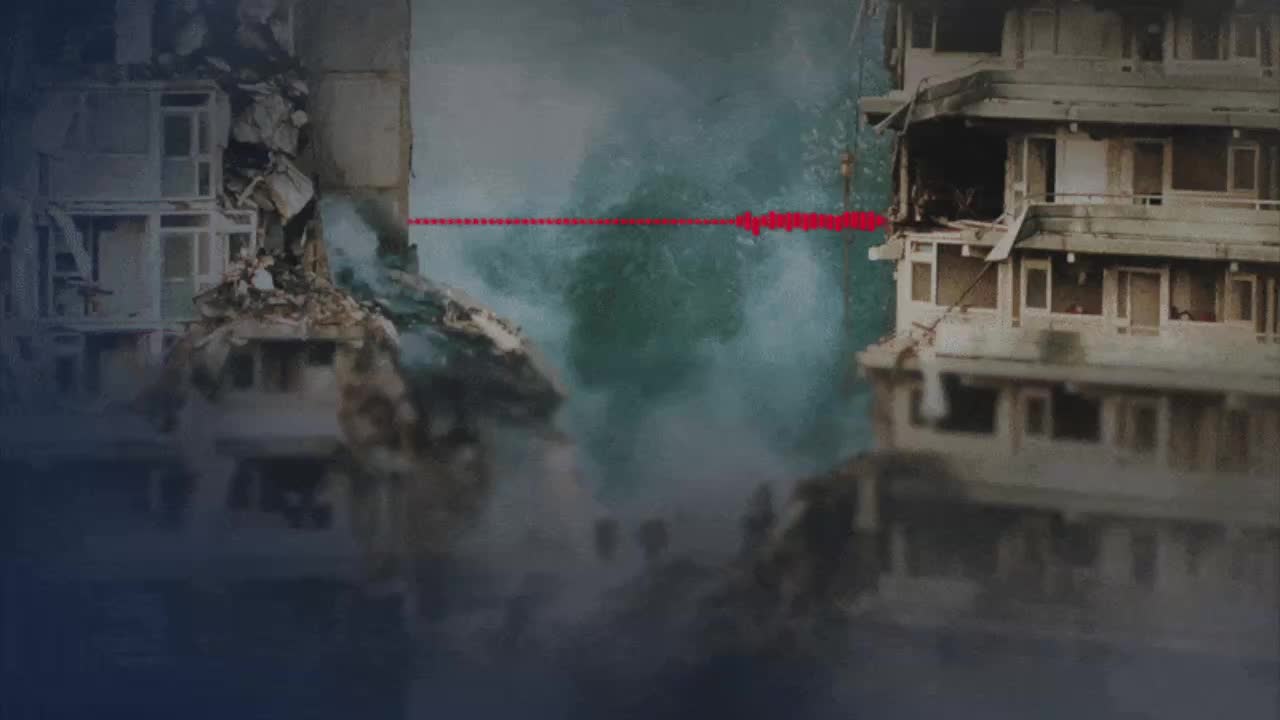
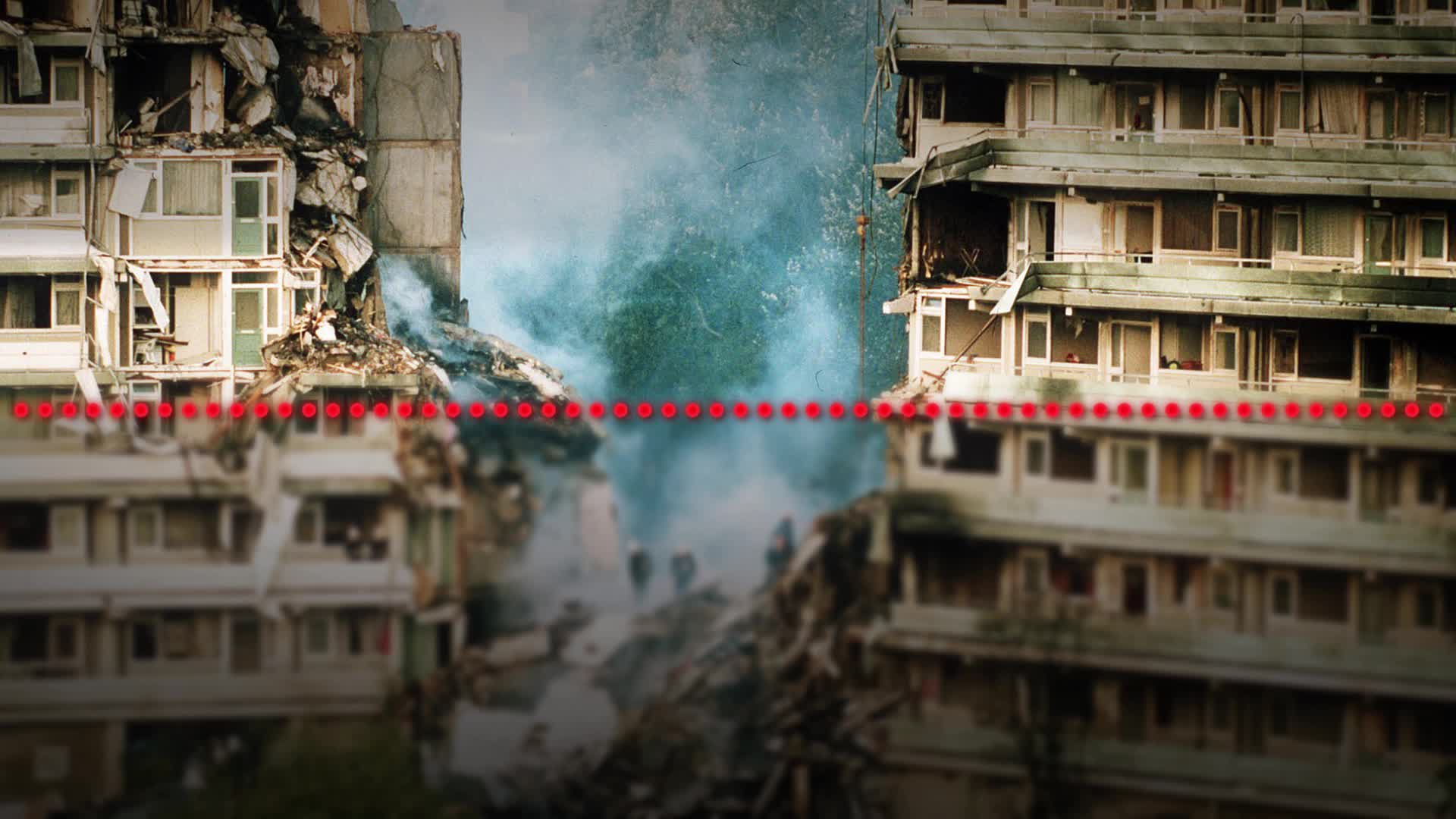
“But it’s also valuable to sit down in advance with the journalist for stories where we have more time. By deciding together which tools we’ll use, the journalist can write with that in mind. The reconstruction of the Bijlmer disaster that we published on 4 October 2025, exactly 33 years after the disaster, is a good example of that. The journalist had initially transcribed the final exchange between the pilot and air traffic control. But instead of quoting what was said, it is far more compelling to present it visually, with the audio. So, I went looking for the original sound recordings from the black box.
“We also added an infographic showing the route and timeline of the flight, together with a VTM NIEUWS report from the time. To show readers that the article offered more than just text, we added sound waves to the lead image. We can see that it works. Digital storytelling grabs the reader’s attention and holds it longer.”
View article
(in Dutch)

Khuram Chaudry
(37), graphic producer News City
stabbing at the station
in Harelbeke
Especially with breaking news, that is useful. For example, when a 15-year-old student was seriously injured after a stabbing at the station in Harelbeke and the perpetrator was arrested half a kilometer away. In fifteen minutes, our team, Graphic Valley, created a situation sketch showing the escape route. In addition, we added photos and a video from VTM NEWS to enrich the article.
But also with articles for which we have more time, it is interesting to sit down with the journalist in advance. By jointly determining which tools we use, the journalist can also write towards that. The reconstruction of the Bijlmer disaster that we published on October 4, 2025, exactly 33 years after the disaster, is a good example of that. The journalist initially wrote out the last contact between the pilot and the control tower. But instead of quoting what was said, it is much more interesting to present that in a visual with the audio. That is why I searched for the original sound fragments from the black box. Furthermore, we added an infographic with the route and timeline of the flight, and a segment from VTM NEWS from that time. To show readers that the article includes more than just text, we added frequency waves to the header photo. We see that it works. Digital storytelling attracts the reader's attention and keeps it longer.”
“A time-lapse shows what text cannot capture”
Titus Knegtel
(37), co-ordinator, Research & Visualisation desk, de Volkskrant
Titus Knegtel is co-ordinator of the Research & Visualisation desk at de Volkskrant. “Together with my team, I look at where we see opportunities for visual journalism. We make a substantive contribution to how a story can best be told: how we structure it, which narrative elements we use, and how we create a seamless whole for the reader. Because of that, I increasingly see myself as a visual journalist rather than a designer who, so to speak, only decides on the colour and typography or simply stacks text and photographs underneath one another. Ideally, we are involved from the ideas stage, so that we can think ahead together with the author.
portrait series of
post-covid patients
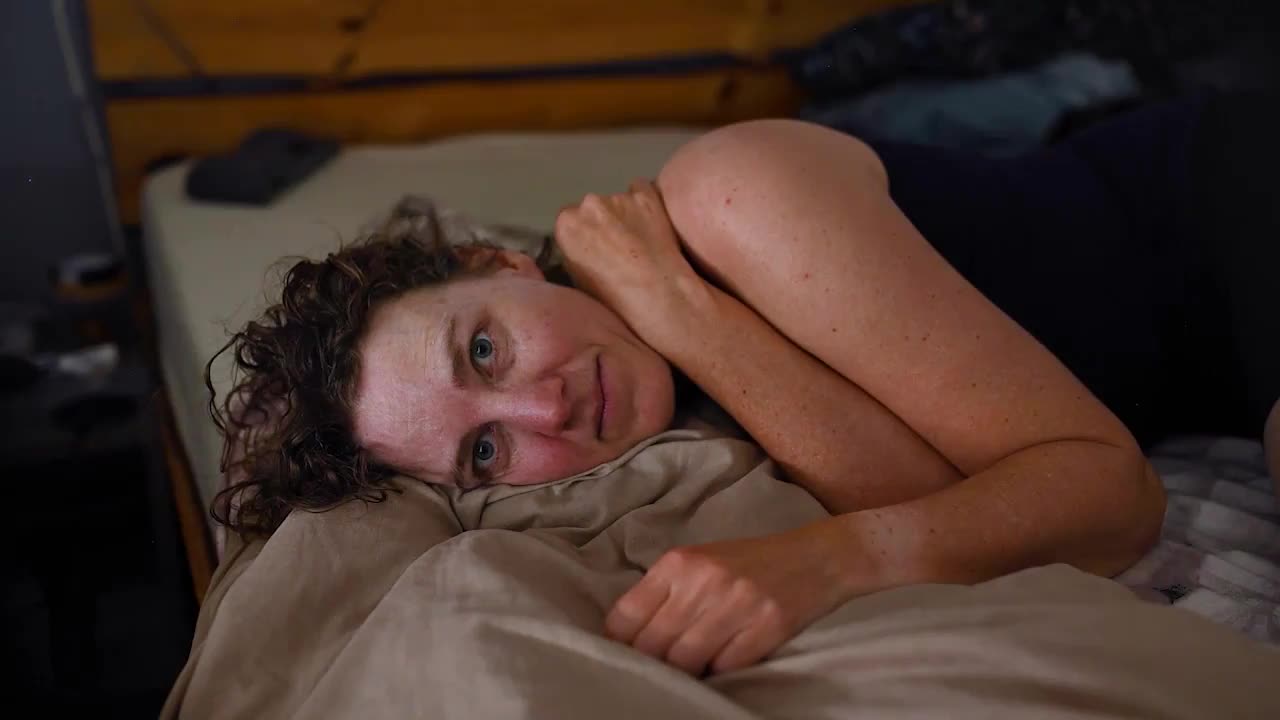
“An example is the portrait series we created about post-Covid patients. These people often spend as many as 23 hours a day in bed, sometimes even wearing blindfolds and noise-cancelling headphones because they can’t tolerate stimulation. The impact post-Covid has on their lives is almost impossible to capture in words. That is why we used different elements, such as moving images and audio clips. We also created a time-lapse by filming for eight hours in a boy’s bedroom: you see him doing nothing but lying there, staring at the ceiling, or sleeping. The only things moving are his chest and the cat.
View portrait series
(in Dutch)
Logbook about
Baby Eilia
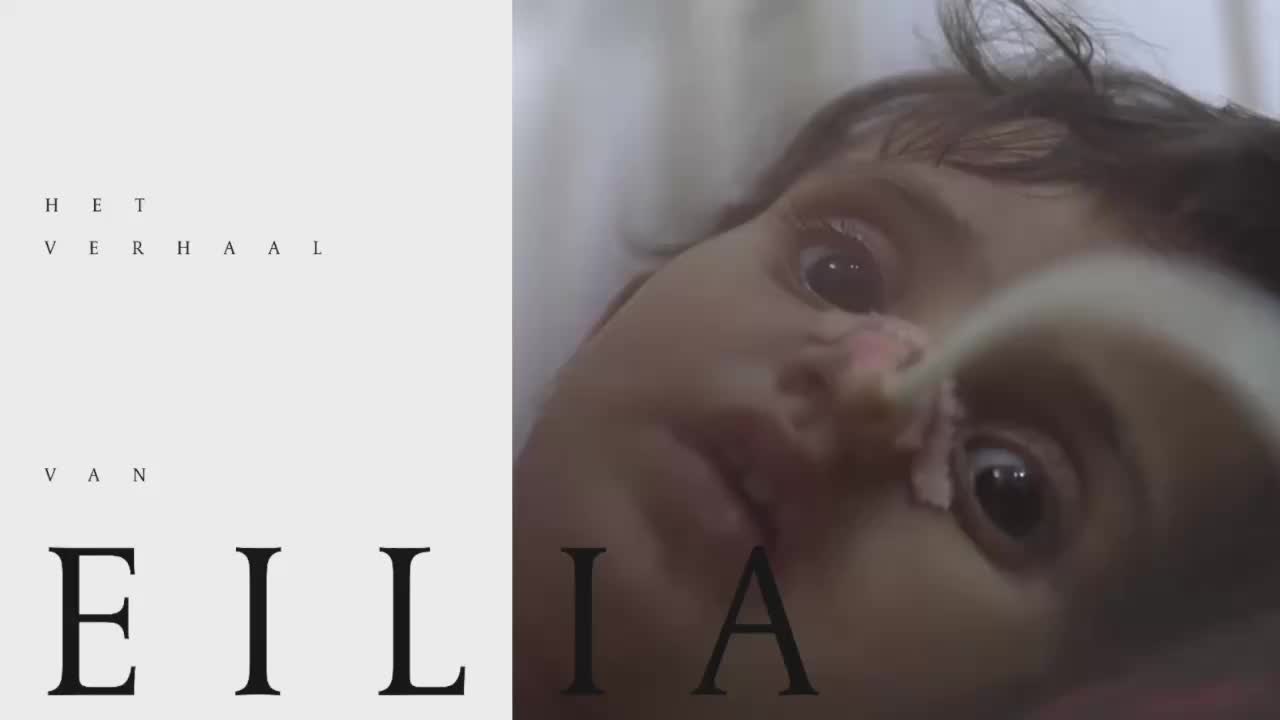
“Another story that I think worked particularly well in terms of format is the logbook about baby Eilia that we created during the height of the famine in Gaza. We decided in advance that we wanted to create a kind of logbook showing everything that was happening minute by minute. We worked closely with a photographer who took the photos and videos. We tried to make that sense of urgency tangible by placing a clock in the middle of the screen, ticking away. We don’t add decorative extras but include essential elements that help convey the experience of the story.”
View logbook
(in Dutch)

